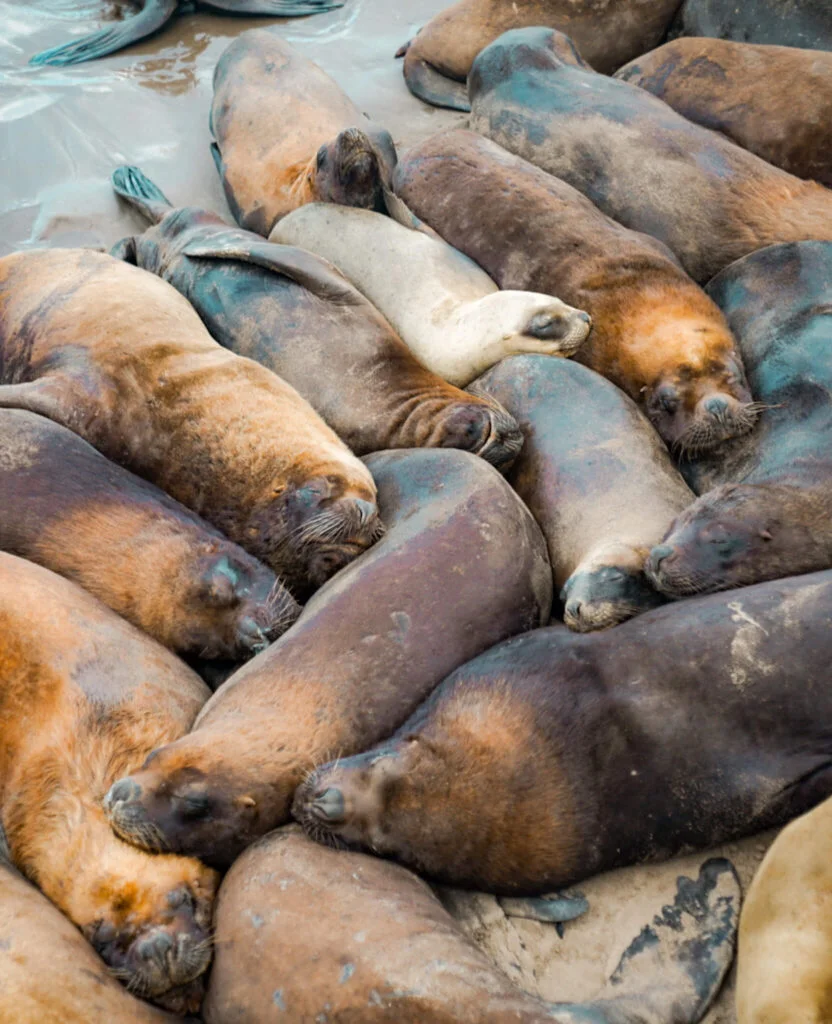
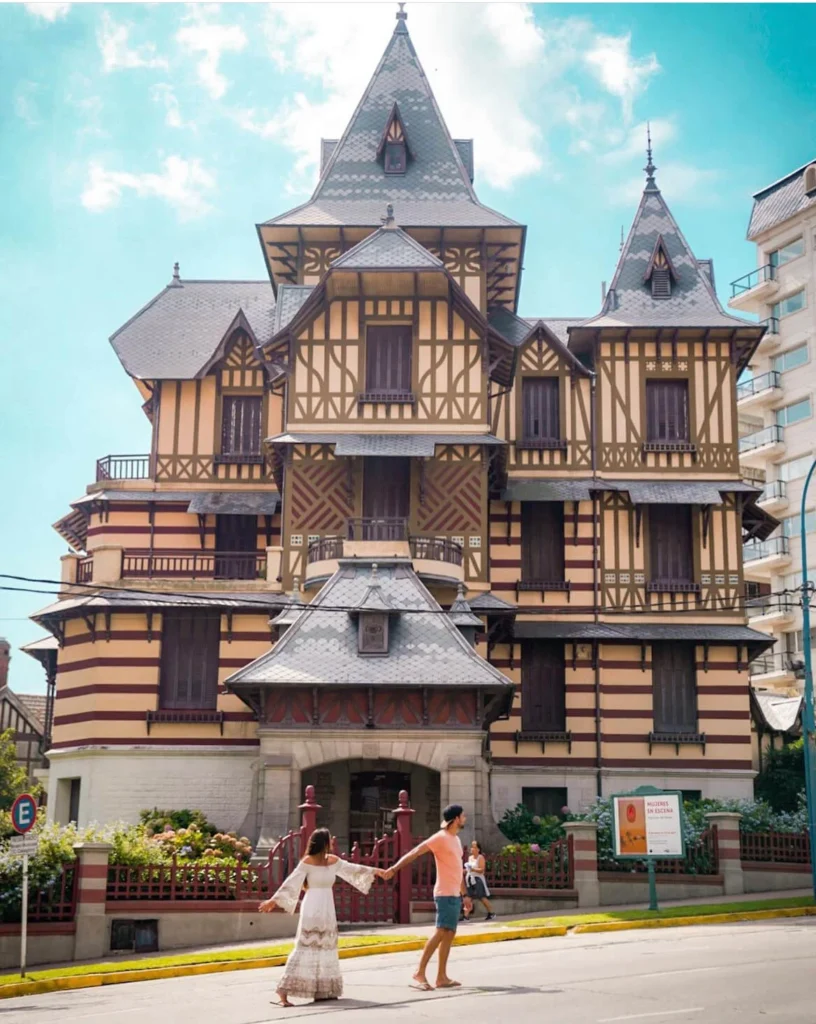
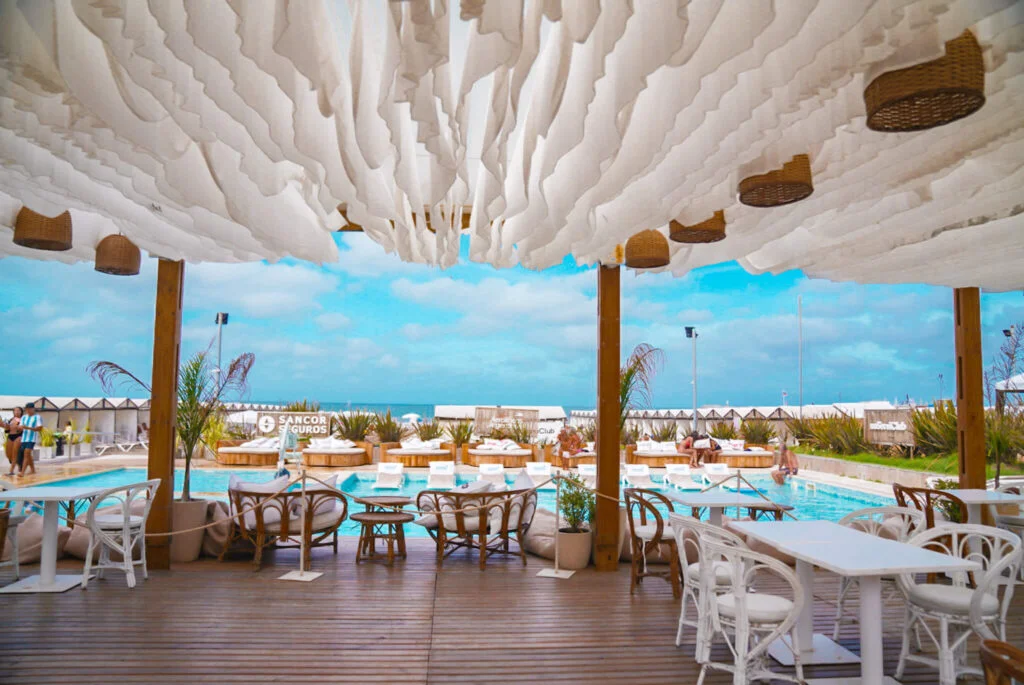
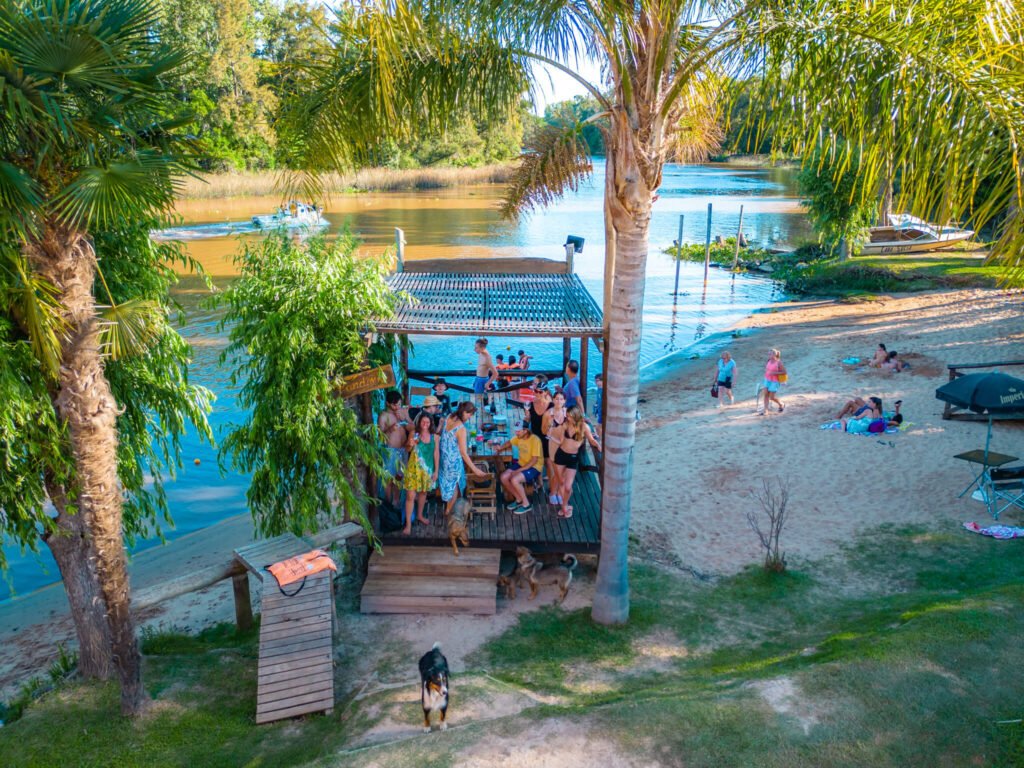
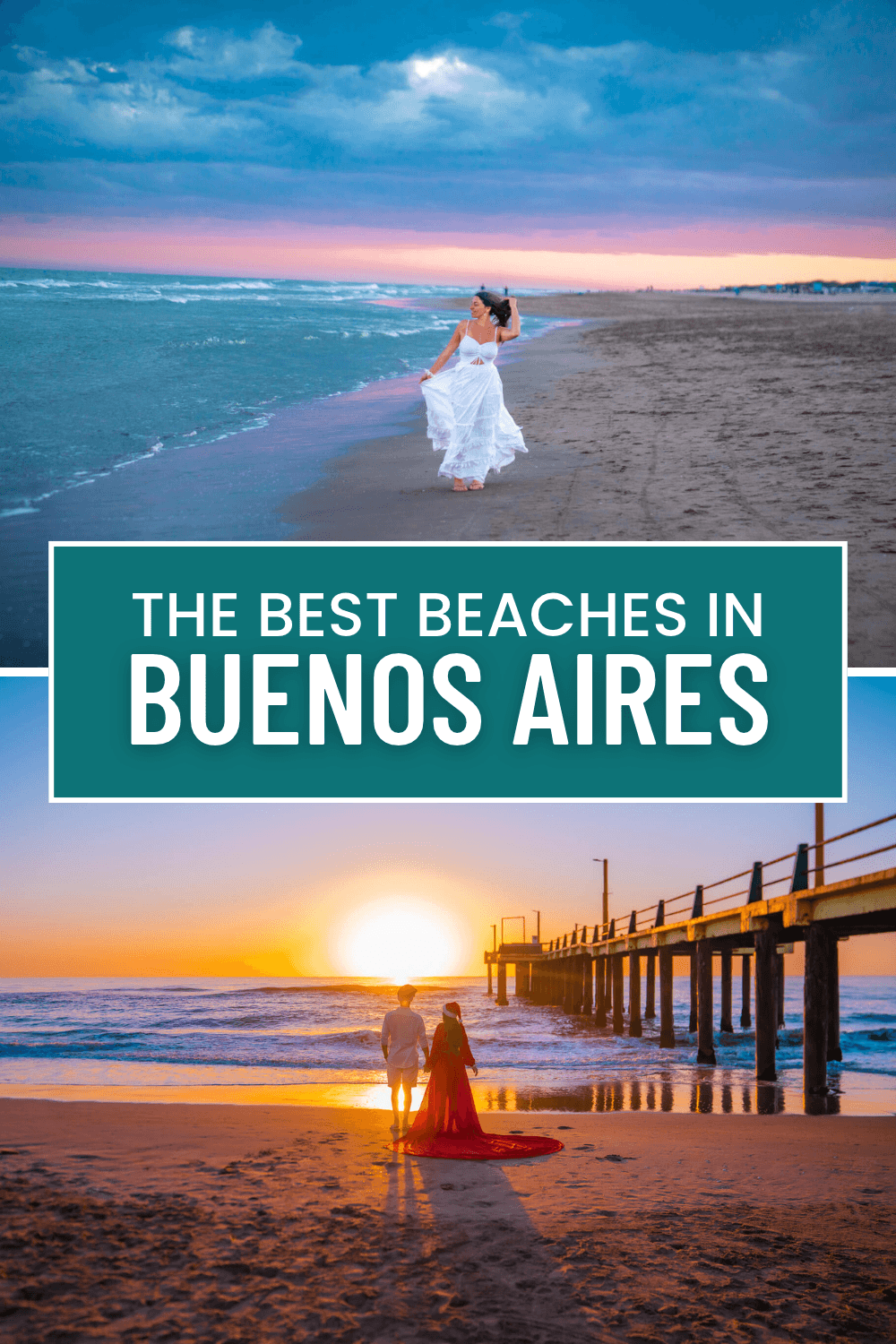
Looking for the best beaches in Buenos Aires? While the city itself isn’t known for traditional ocean beaches, Buenos Aires Province has a huge stretch of Atlantic coastline with beach towns for every kind of getaway. From lively seaside destinations like Mar del Plata and Villa Gesell to quieter coastal escapes like Cariló and Mar de las Pampas, there are plenty of places to enjoy the sand, sun, and ocean.
One of the best things about the Buenos Aires coast is how much variety there is. Some towns are known for their nightlife, beach clubs, and busy summer atmosphere, while others offer peaceful beaches surrounded by pine forests and sand dunes. You’ll also find smaller family-friendly destinations, surf towns, and long stretches of coastline that are perfect for getting away from the city for a few days.
In this guide, we’re covering the best beaches in Buenos Aires Province, including the most popular beach towns, what makes each destination special, and how to get there from the city. We’ll also mention some closer alternatives, including river beaches and seasonal urban beach areas, for anyone who wants to enjoy a little sunshine without traveling all the way to the Atlantic coast.
Want to save this for later? Pin it!
Basic Information About Beaches in Buenos Aires
Before choosing which beach town to visit, there are a few things you’ll want to know about the Buenos Aires coast. The beach season, travel times, and transportation options can vary depending on which part of the coastline you’re heading to, so here’s a quick overview to help you plan.
📍 How Far Are the Beaches From Buenos Aires City?
Most of the popular Atlantic beach towns are around 300 to 450 km from Buenos Aires City, depending on the destination. Some of the northern coastal towns are a little closer, while destinations farther south require a longer journey.
Here are approximate distances to some of the most popular beach destinations:
San Clemente del Tuyú – 340 km
San Bernardo – 360 km
Pinamar – 350 km
Villa Gesell – 370 km
Mar del Plata – 400 km
Miramar – 450 km
Necochea – 530 km
Travel times depend on traffic, road conditions, and your starting point, but you should generally plan for several hours on the road.
💡 Local tip: Make a stop along the route at “Parador Atalaya” for their incredible medialunas!
☀️ When Is the Best Time to Visit the Beaches in Buenos Aires?
The best time to visit the beaches in Buenos Aires Province is during the summer, from December through March. This is when you’ll find the warmest weather, the most beach services operating, and the liveliest atmosphere in the coastal towns.
January is generally the busiest month, as it’s the heart of summer vacation in Argentina. If you’d prefer fewer crowds while still enjoying warm weather, we recommend visiting earlier in December or later in February. March can also be a nice option, although some beach clubs, restaurants, and seasonal businesses begin reducing their hours toward the end of summer.
🚗 How Do You Get to the Beach in Buenos Aires Province?
The easiest way to explore the Buenos Aires coastline is by car, especially if you want to visit multiple towns or discover beaches outside the main tourist areas. The main routes include Autovía 2 and Provincial Route 11, which connect Buenos Aires City with much of the Atlantic coast.
You can also reach many beach towns by long-distance bus. Services depart from Buenos Aires and connect with popular destinations such as Mar del Plata, Pinamar, Villa Gesell, and the towns along Partido de La Costa. Mar del Plata also has an airport with domestic flight connections, making it the easiest beach destination (with the most options).
If you’re planning to visit several destinations during one trip, renting a car will give you much more flexibility. Otherwise, taking a bus directly to your chosen beach town can also be a convenient option.
Although Buenos Aires City sits right along the Río de la Plata, its waterfront isn’t a place we’d recommend swimming. The water is not considered safe for recreational swimming due to contamination and other hazards along the riverbed and shoreline.
There are recreational spaces along the Costanera where you can enjoy the outdoors, relax by the water, and spend time in the sun, but these aren’t substitutes for Atlantic Ocean beaches. If swimming in the sea is what you’re after, you’ll need to head to one of the coastal towns, or Tigre as the closest option.
📅 How Many Days Should You Spend at the Beaches in Buenos Aires?
This really depends on which destination you choose and how much of the coast you want to explore. A weekend can be enough for a quick escape to one of the closer beach towns, while we’d recommend spending at least 3 to 5 days if you want time to enjoy the beaches, explore the town, and relax without rushing.
All of our beach getaways are typically between 5-7 days, but that’s because we tend to pack a lot of activities into our itinerary.
If you’re planning a longer coastal road trip and want to visit several destinations, you could easily spend a week or more exploring the different beach towns along the province’s Atlantic coastline.
Stay in the Loop
Subscribe to our email list for updates on exclusive events, new experiences, and special discounts!
Best Beach Towns in Buenos Aires Province
The Atlantic coast of Buenos Aires Province stretches for hundreds of kilometers, with dozens of seaside towns to choose from. While some destinations are known for their busy summer resorts and nightlife, others are much quieter, with natural dunes, pine forests, and wide stretches of sand.
To make it easier to plan a trip, we’re organizing the beach towns geographically from north to south. We’ll start with the northern coast, which has several popular family-friendly destinations and some smaller seaside communities that are especially nice for a relaxed summer getaway.
🌊 The Northern Coast and Partido de La Costa
The northern stretch of the Buenos Aires coastline is home to the Partido de La Costa, a collection of seaside towns with around 96 km of Atlantic beaches. This area is particularly popular with Argentine families during summer, thanks to its wide sandy beaches, traditional seaside atmosphere, and variety of accommodation options.
You’ll find everything from lively resort towns with busy commercial centers to smaller communities surrounded by dunes and pine forests.
San Clemente del Tuyú: The northernmost beach town in the Partido de La Costa, known for its family-friendly atmosphere, wide beaches, and natural surroundings. Nearby attractions include Punta Rasa, where the Río de la Plata meets the Atlantic, Mundo Marino, and Termas Marinas.
Las Toninas: A quieter destination with wide sandy beaches, natural dunes, and a relaxed atmosphere. It’s particularly popular with families and is home to the outdoor maze Laberinto Las Toninas.
Santa Teresita: One of the more developed beach towns in the area, with beach clubs, restaurants, a fishing pier, and a lively commercial center. It’s a good choice if you want plenty of activities beyond the beach.
Mar del Tuyú: A quieter coastal destination with wide beaches, a small commercial center, and a fishing pier. Its location also makes it convenient for visiting nearby towns.
Costa del Este: Often called the “Beach of a Million Pines,” this is one of the prettiest destinations along the northern coast, with tree-lined streets, pine forests, attractive homes, and peaceful beaches.
Aguas Verdes: A small, relaxed beach town surrounded by greenery and dunes. It’s a good option for families and anyone who prefers a quieter summer getaway.
La Lucila del Mar: A charming seaside town known for its wooden fishing pier, leafy streets, and relaxed beachfront. It’s also close to Costa Azul and San Bernardo.
Costa Azul: A small residential beach town with a peaceful atmosphere and wide stretches of sand. It’s a nice alternative to the busier neighboring resorts.
San Bernardo del Tuyú: One of the liveliest destinations in the area, with wide beaches, a busy pedestrian shopping street, restaurants, bars, and plenty of nightlife during summer.
Mar de Ajó: One of the largest and most established beach towns along the coast, with extensive beaches, a long commercial street, a fishing pier, and plenty of accommodation options.
Nueva Atlantis: Located south of Mar de Ajó, this quieter destination is known for its large dunes, open beaches, and natural surroundings. It’s especially appealing for camping, fishing, and a more peaceful beach vacation.
🌲 Pinamar and the Surrounding Beach Towns
Further south, you’ll reach one of the most popular stretches of the Buenos Aires coast. The Pinamar area is known for its combination of beach clubs, upscale vacation homes, pine forests, and large sand dunes.
Each town has a slightly different atmosphere, from the lively summer scene in Pinamar to the quieter, more exclusive feel of Cariló and Costa Esmeralda.
Pinamar: One of the most popular beach destinations in Buenos Aires Province, known for its wide sandy beaches, beach clubs, pine forests, and lively summer atmosphere. You’ll find plenty of restaurants, shops, nightlife, and activities, making it a great choice if you want a mix of relaxation and entertainment. The northern end of the beach, known as La Frontera, is also popular for its large dunes and off-road vehicle scene.
Ostende: Located just north of Pinamar, Ostende is a quieter seaside destination with wide beaches and a more traditional atmosphere. It’s also home to the historic Viejo Hotel Ostende, which dates back to the early 20th century and is an interesting stop if you enjoy the history of Argentina’s coastal towns.
Valeria del Mar: A smaller and more relaxed alternative to Pinamar, Valeria del Mar combines spacious beaches with wooded residential streets and a charming commercial center. It’s a great option for families and couples who want beach access, restaurants, and shops without quite as much summer activity.
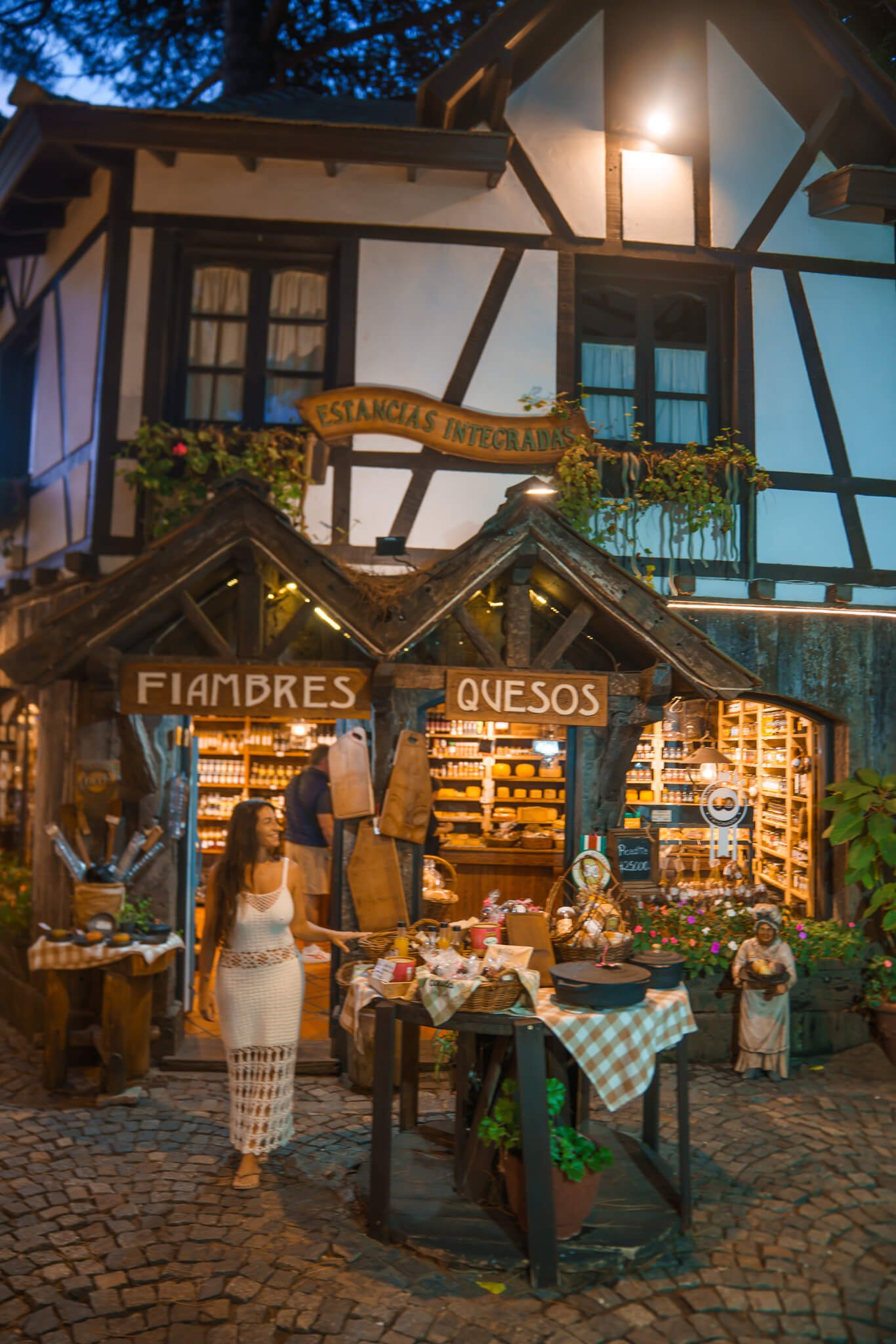
Cariló: Often considered one of the prettiest beach towns in Buenos Aires Province (and our personal favorite!), Cariló is known for its beautiful pine forests, German architecture, upscale homes, boutique shops, and wide sandy beaches. The combination of forest and ocean makes it feel quite different from the busier coastal resorts, and it’s a particularly popular destination for couples and families looking for a more upscale getaway.
🏄 Villa Gesell and the Surrounding Beach Towns
South of Pinamar, you’ll reach Villa Gesell and a collection of smaller seaside communities that offer a different kind of beach experience. Villa Gesell itself is one of the liveliest destinations on the Atlantic coast, while the neighboring towns are known for their pine forests, sand dunes, and quieter atmosphere.
They’re particularly appealing if you want to combine beach days with nature and a little more peace and quiet.
Villa Gesell: One of the most popular beach destinations in Buenos Aires Province, known for its long sandy beaches, beach clubs, lively nightlife, and extensive commercial center. It’s especially popular with younger travelers and families who want plenty of restaurants, bars, and activities alongside their beach time. I found it to be a bit dated, but it’s still nice for a short visit.
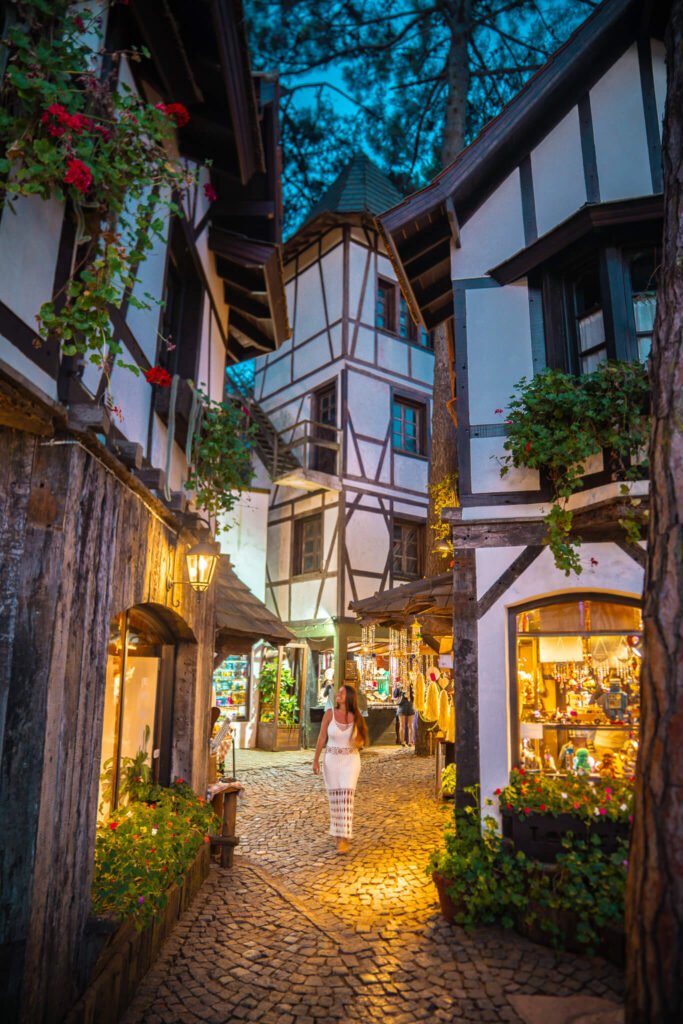
Mar de las Pampas: A beautiful coastal town surrounded by pine forests and sand dunes, with winding streets, boutique shops, and a relaxed atmosphere. It’s one of our favorite areas, and ideal for anyone looking for a quieter getaway, with plenty of opportunities for walks through the forest and along the beach. Don’t miss the nearby Faro Querandí Natural Reserve, which protects an extensive area of coastal dunes.
Las Gaviotas: A small seaside community located between Mar de las Pampas and Mar Azul. It combines natural dunes, peaceful beaches, and a handful of restaurants and accommodations. It’s a good middle ground if you want somewhere quieter than Villa Gesell but still close to other beach towns.
Mar Azul: Located at the southern end of this coastal stretch, Mar Azul is known for its wide, natural beaches, large dunes, and laid-back atmosphere. It’s particularly appealing for travelers who enjoy outdoor activities like fishing, horseback riding, hiking, and exploring the surrounding coastal landscape.
Mar de las Pampas is known for its small forest town vibes.
🏖️ Mar del Plata and the Surrounding Beach Towns
Mar del Plata is the biggest and most famous beach destination in Buenos Aires Province, attracting visitors from across Argentina every summer. However, this stretch of coastline has much more to offer than just the city itself. Just north and south of Mar del Plata, you’ll find smaller seaside towns, quieter beaches, surf spots, and natural areas that are great for escaping the crowds.
Mar del Plata: Argentina’s most famous beach city, with more than 47 km of coastline and beaches for every kind of visitor. Playa Bristol and Playa Popular are right in the center, Varese and Cabo Corrientes have calmer waters protected by breakwaters, Playa Grande is popular with surfers, and Punta Mogotes offers wide sandy beaches and plenty of beach clubs. You’ll also find restaurants, nightlife, shopping, and plenty of activities beyond the beach.
Santa Clara del Mar: Located about 18 km north of Mar del Plata, Santa Clara del Mar is a quieter seaside town with long sandy beaches, a relaxed family atmosphere, and a good selection of restaurants and beach bars. It’s also known for its annual craft beer festival and is a nice alternative if you’d prefer a smaller coastal destination.
Camet Norte: Just north of Santa Clara del Mar, this small coastal community has a more natural and peaceful atmosphere. Its beaches are known for their cliffs, rocky formations, and open stretches of coastline, making it a nice spot for coastal walks, fishing, and enjoying the scenery.
Mar de Cobo: A charming beach town surrounded by pine forests, Mar de Cobo is particularly appealing if you want a quieter getaway. It has wide beaches, tree-lined streets, and a relaxed atmosphere, with a small commercial area and places to eat.
Balneario Parque Mar Chiquita: This coastal destination is best known for the Mar Chiquita Lagoon, a unique coastal lagoon where freshwater meets the Atlantic Ocean. The surrounding area is a great place for nature lovers, with opportunities for fishing, kayaking, birdwatching, and exploring the protected natural environment.
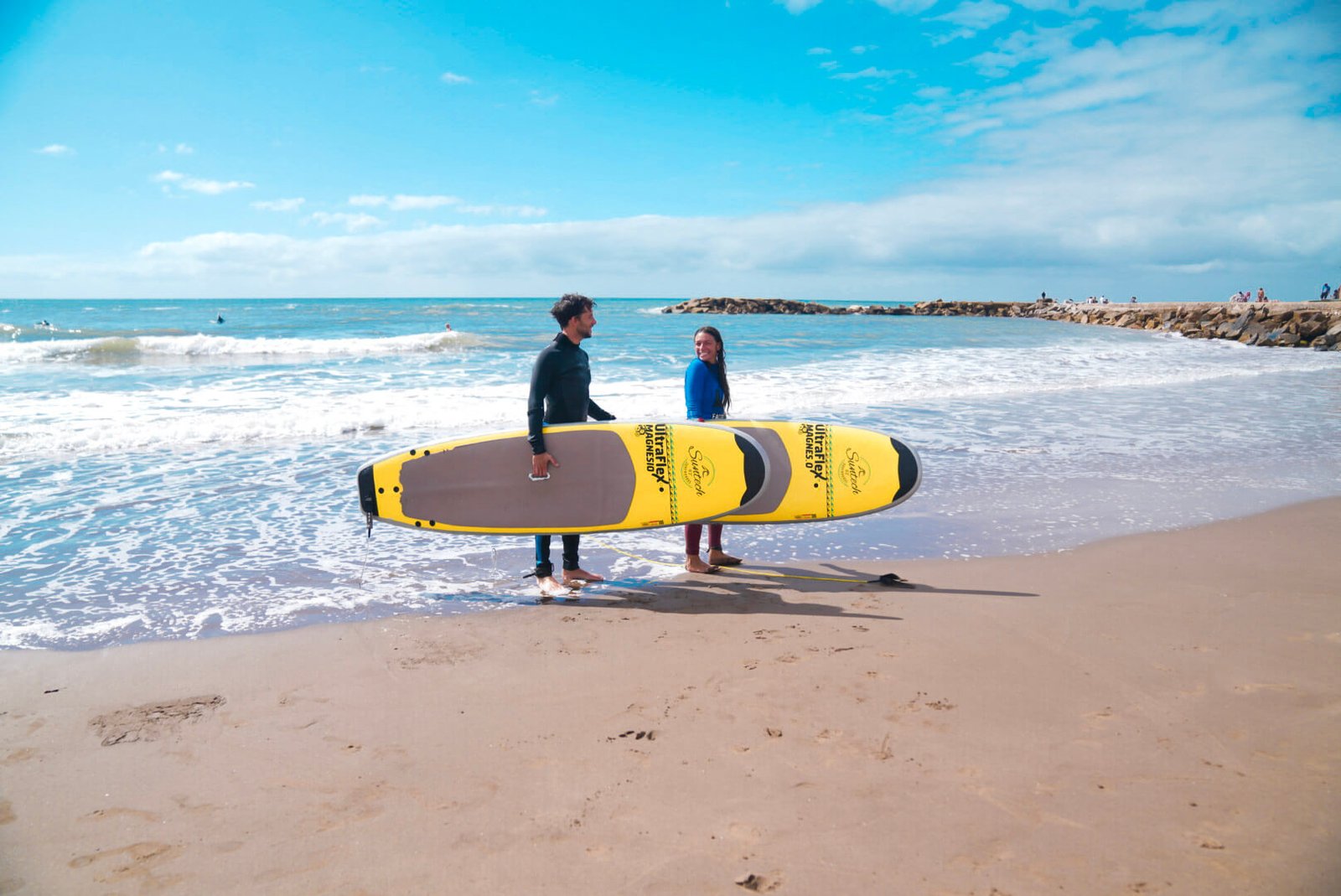
Chapadmalal: Located south of Mar del Plata, Chapadmalal is a popular destination for surfers and travelers looking for a more laid-back coastal experience. Its beaches are surrounded by cliffs and natural landscapes, with surf spots, beach clubs, and relaxed places to eat. The area also includes the historic Chapadmalal tourist hotel complex and several smaller beach communities.
Miramar: Known as the “City of Children,” Miramar is a family-friendly beach destination with wide sandy beaches, a relaxed atmosphere, and a charming downtown area. It’s also known for its extensive coastal park, forested areas, and cycling paths, making it a nice option for a more peaceful seaside vacation.
Mar de Plata is one of the most popular beaches in Buenos Aires.
🐚 The Southern Coast of Buenos Aires Province
As you continue farther south, the coastline becomes quieter and more natural, with fewer large resorts and more small seaside communities. This part of Buenos Aires Province is especially appealing for travelers who enjoy wide, uncrowded beaches, sand dunes, fishing, surfing, and outdoor activities. Some towns have very little commercial development, making them great options for a peaceful coastal escape.
Mar del Sur: A small seaside town south of Miramar, known for its peaceful beaches, historic architecture, and relaxed atmosphere. It’s a great option if you want to get away from the busier summer destinations and enjoy a more traditional coastal town.
Arenas Verdes: Located near the town of Lobería, this quiet beach destination is surrounded by dunes, pine forests, and natural landscapes. It’s particularly appealing for camping, outdoor activities, and travelers who prefer less-developed beaches.
Necochea: One of the largest beach destinations in the southern part of the province, Necochea has extensive sandy beaches, beach clubs, a lively waterfront, and plenty of restaurants and accommodation options. It’s also popular for surfing, fishing, and visiting the nearby Parque Miguel Lillo, a large coastal forest.
Quequén: Located just across the Quequén Grande River from Necochea, this coastal town has a more relaxed atmosphere and some beautiful stretches of beach. Its coastline features large dunes, rocky formations, and cliffs, making it popular with surfers and anglers. You can also visit the Quequén Lighthouse and explore the port area.
Orense: A small seaside community known for its peaceful beaches and natural surroundings. One of its highlights is Médano 40, a large forested dune with a viewpoint overlooking the surrounding coastline.
Claromecó: A popular summer destination in the Tres Arroyos district, Claromecó is known for its extensive beaches, sand dunes, and historic lighthouse. It’s a great option for fishing, surfing, and enjoying a more laid-back beach vacation.
Reta: A quiet coastal town with wide sandy beaches, dunes, and a relaxed atmosphere. It’s particularly appealing for families and travelers looking to disconnect, with natural attractions like the mouth of the Quequén Salado River nearby.
Marisol: One of the smaller and quieter beach destinations in Buenos Aires Province, Marisol is known for its natural beaches, dunes, and surrounding greenery. It’s a great choice for fishing, camping, and enjoying a peaceful getaway away from the larger tourist resorts.
Monte Hermoso: One of the most popular destinations in the southern part of the province, Monte Hermoso is known for its long sandy beaches and unique position along the Atlantic coast. It’s particularly famous for being one of the few places in Argentina where you can watch both the sunrise and sunset over the sea. The town also has beach clubs, restaurants, and plenty of summer activities.
Pehuen-Có: Located south of Monte Hermoso, this small seaside town is known for its peaceful beaches, pine forests, and natural surroundings. It’s also home to a unique paleontological reserve where visitors can see fossilized footprints of prehistoric animals along the coast.
Stay in the Loop
Subscribe to our email list for updates on exclusive events, new experiences, and special discounts!
Beaches Near Buenos Aires City
If you don’t have time to travel all the way to the Atlantic coast, there are a few alternatives closer to Buenos Aires City. These include riverfront beach clubs in the Tigre Delta, recreational spaces along the Río de la Plata, and seasonal urban beach installations. They offer a different kind of summer experience, but it’s important to remember that they aren’t the same as visiting an ocean beach.
🌴 River Beaches and Beach Clubs in Tigre
The Tigre Delta is one of the closest places to enjoy a beach-style day outside Buenos Aires City. We visit often, and it’s honestly one of our favorite places to enjoy summer in Buenos Aires.
Its network of rivers and islands is home to several recreational complexes and beach clubs where you can spend the day by the water, enjoy food and drinks, relax on sandy riverfront areas, and take part in outdoor activities. They’re connected mostly by the water taxi in Tigre, and you can even include a couple in one day if you wish.
Some places to look into include:
SAIBA Beach: A riverfront beach club in the first section of the Tigre Delta, with a sandy area, outdoor seating, food, drinks, and music.
Recreo El Alcázar: A recreational complex on the Río Sarmiento with a sandy river beach, swimming areas, a restaurant, picnic spaces, and activities for families.
Bababeach: A laid-back beach-style parador in the Delta, offering a sandy riverside setting, music, and food for a relaxed day out.
Bemvelon: A riverside bar and grill on the Río San Antonio, with outdoor seating and a casual atmosphere for spending the day by the water.
Keep in mind that these destinations are located on the islands, so you’ll generally need to take a boat or water taxi from Tigre to reach them. Also, swimming isn’t permitted or safe everywhere in the Delta. Always confirm that the specific recreational area is authorized for swimming and check water conditions with the venue before getting in.
Tigre has a lot of great beach clubs to experience for a nice and easy day trip!
🏙️ Urban Beaches and Waterfront Spaces in Buenos Aires
Buenos Aires City also has a few places where you can enjoy the sun and spend time near the water without leaving the city. These aren’t traditional beaches, and you generally can’t swim in the Río de la Plata, but they’re nice alternatives for enjoying the outdoors during summer.
Buenos Aires Playa: This seasonal initiative has historically brought artificial sandy beach areas, lounge chairs, umbrellas, water games, and family activities to locations such as Parque de los Niños. It’s free when operating, but the program doesn’t necessarily run every summer, so check the city’s announcements before planning a visit.
BA Costa: Located along Costanera Norte, this urban waterfront space includes sandy areas, places to relax, outdoor spaces, and views of the Río de la Plata. It’s a nice place to enjoy the river scenery, although it isn’t an ocean beach or a designated swimming area.
Costanera Norte and Costanera Sur: These waterfront areas have parks, walking paths, green spaces, and places to sit by the river. They’re popular for outdoor activities and enjoying the views, but swimming in the Río de la Plata along the city waterfront isn’t recommended.
Tips for Visiting the Beaches in Buenos Aires
Whether you’re planning a weekend getaway or a longer coastal road trip, there are a few things we recommend keeping in mind before visiting the beaches in Buenos Aires Province. Each town has a different atmosphere, and the experience can vary quite a bit depending on the time of year and where you decide to stay.
Visit during summer for the full beach experience: December through February is when you’ll find the warmest weather, the most beach services, and the liveliest atmosphere. If you prefer fewer crowds, consider December or March.
Book accommodation early: January is peak vacation season in Argentina, and the most popular beaches in Buenos Aires like Pinamar, Cariló, Mar del Plata, and Villa Gesell can get very busy. We recommend booking well in advance, especially if you’re traveling over the holidays.
Choose your beach town based on your travel style: Mar del Plata and Villa Gesell are great for nightlife and entertainment, while Cariló and Mar de las Pampas are better for a quieter getaway. Families may prefer destinations like Santa Teresita, San Bernardo, or Miramar.
Rent a car if you want to explore: Having your own vehicle makes it much easier to visit multiple beach towns, explore different stretches of coastline, and discover smaller destinations along the way.
Check beach services before visiting: Not every beach has umbrellas, chairs, restaurants, or restrooms. Larger resorts tend to have more facilities, while smaller and more natural beaches may have very limited services.
Pay attention to the flags and lifeguards: Always swim in designated areas with lifeguard coverage and follow the beach flag system. Conditions can change throughout the day, so check with the lifeguards before entering the water.
Bring sun protection: The summer sun can be intense, so pack sunscreen, sunglasses, a hat, and plenty of water. It’s also a good idea to bring an umbrella if you’re visiting a beach without rental facilities.
Carry some cash: While cards and digital payments are widely accepted in larger beach towns, having some cash is recommended for smaller businesses, beach vendors, parking, and certain local services.
Summer time in Buenos Aires is hot, vibrant, and full of energy, with the city shifting into outdoor mode from December through February. Long days, late nights, and a packed cultural calendar make summer one of the most exciting seasons to experience the Argentine capital. If you’re escaping winter in the US, Europe, or elsewhere…
Belgrano, Buenos Aires is one of the city’s most enjoyable neighborhoods if you are looking for green space, great cafés, and a strong local atmosphere. It is known for its relaxed parks, trendy brunch spots, and the city’s vibrant Chinatown. Compared to busier areas, Belgrano feels more open and residential while still offering plenty to…
As a couple that travels year-round, we truly love spending spring in Buenos Aires. November is one of the best months to enjoy the city outdoors, with warmer days, blooming jacaranda trees, and plenty of events happening throughout the different neighborhoods. Between exploring the parks, browsing weekend markets, visiting cultural sites, and attending some of…
If you’re looking for things to do in Buenos Aires in April, you’ve landed in one of the best months the city has to offer. The summer heat is fully gone, the air is cool and clear, and the cultural calendar is packed with some of the biggest festivals, fairs, and events of the entire…
When people think about Buenos Aires, they usually picture beautiful architecture, historic neighborhoods, incredible restaurants, and lively nightlife. But the city also has plenty of green spaces where you can slow down, go for a walk, enjoy a picnic, or simply take a break from sightseeing. In fact, exploring the parks in Buenos Aires is…
October is packed with events in Buenos Aires, from major concerts and food festivals to architecture exhibitions, art fairs, and cultural celebrations. Whether you’re interested in Argentine traditions, discovering local designers, trying new foods, or filling your evenings with live entertainment, there’s plenty happening across the city. One of the best things about the October…